

Building a strong brand is essential for any business, regardless of its size. For small businesses, branding can be the key to standing out in a crowded market, gaining customer trust, and fostering loyalty. The good news is that tools like Canva, Figma, and Adobe Express have made design production genuinely accessible. The important question is knowing which decisions to make yourself and which to invest in professionally.
Insights · Brand Identity
What you can do yourself — and where professional design pays off
DIY branding has become genuinely more viable. But there is a difference between design production and design thinking — and that difference costs more than any tool subscription.
5 Min Read 10 December 2025 Mr. S.M. Ismail

Author
Mr. S.M. Ismail
Founder, Exposure
Mr. S.M. Ismail founded Exposure in 1991 and has spent more than three decades building brand systems that remain usable, credible, and relevant as organisations grow.
35+ Years ExperienceAbout Exposure
Brand Exposure · Coimbatore, India
01
What you can do yourself
Social Media Templates
Produce routine social assets using pre-established layouts and branding guidelines.
Email Newsletters
Deploy regular communications inside a structured visual shell once the brand is set.
Routine Pitch Decks
Assemble basic presentations and reports following pre-configured typography stylesheets.
In-Context Photography
Capture authentic, smartphone photos of operations; these often read as more credible than polished studio assets.
02
Where professional design is worth the investment
Primary Brand Architecture
The logo system, typography rules, primary color palette, and governance manual. The foundation.
Packaging Design
Errors in dielines and prepress have massive physical costs. Professional layout minimizes mistakes.
High-Stakes Collateral
Credentials decks, investor reports, and main websites that establish key first impressions.
Signage & Environments
Permanent environmental installations that carry high relocation and re-installation costs.
“
The question is not whether you can do it yourself. It is what it costs when you do it wrong.
”03
The honest answer
We have seen businesses operate for years with a DIY brand identity that was almost right but not quite. The cost is not immediately visible — it is the opportunities not converted, the credibility not established, the market position not claimed. Every 'close enough' decision in the brand foundation compounds into a positioning problem at scale.
Professional design is not about aesthetics. It is about communicating instantly what you want people to believe about your business, in a market where you have a fraction of a second to make that impression. Do what you can yourself. Invest where the stakes are highest.
On this page
Recent articles
Related services
Newsletter
Studio notes, when they are worth sending
We share occasional thinking on brand identity, implementation, and longevity. No noise, no fixed cadence.
Request the notesBrand Exposure · Coimbatore, India
Author
Mr. S.M. Ismail
Founder, Exposure
Mr. S.M. Ismail founded Exposure in 1991 and has spent more than three decades building brand systems that remain usable, credible, and relevant as organisations grow.
35+ Years ExperienceAbout Exposure
On this page
Recent articles
Related services
Newsletter
Studio notes, when they are worth sending
We share occasional thinking on brand identity, implementation, and longevity. No noise, no fixed cadence.
Request the notesBrand Exposure · Coimbatore, India
Good design is only half the work. The other half is keeping it consistent.
Consistency is an operational outcome, not a creative one. It takes process, ownership, and ongoing attention.
Related reading

Brand Identity
Why logo is not the brand!
Clients come to us asking for a logo. What they almost always need is an identity system, and the difference changes everything about what gets built.
4 min read

Brand Identity
What makes a logo work — and what makes it last
A logo is often a company's first handshake with a customer. But most logos fail within a decade, not because the design was weak, but because it was built for a moment rather than a system.
4 min read
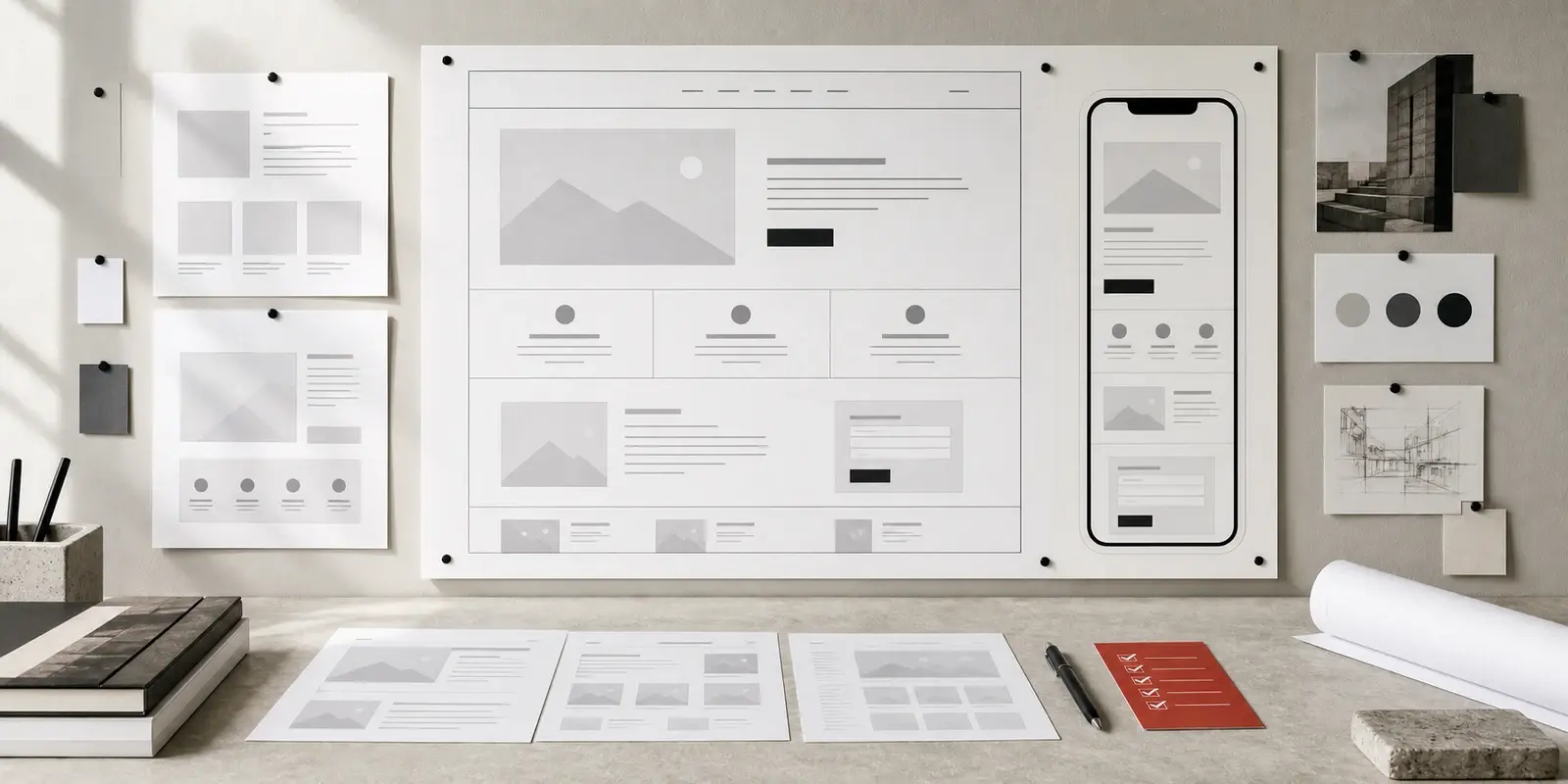
Digital
A 10-Minute Website UX Checklist For Marketing Heads
You do not need a full audit to know if your website is working. Run these five checks in ten minutes before commissioning a redesign.
7 min read