

A brief that says 'we need a new logo' tells a designer almost nothing useful. A brief that says 'we are moving into enterprise accounts and our current identity reads as a small regional supplier' gives a designer a problem to solve. The first specifies a deliverable. The second specifies a business outcome.
Insights · The Craft
How to write a brief that gets results
Most design briefs describe what the client wants to receive. The briefs that produce the best work describe what the client needs to achieve: and the difference is not semantic.
5 Min Read 10 April 2026 Brand Exposure Team

Brand Exposure · Coimbatore, India
01
The four questions that matter
01. Target Perception
What are we trying to change in the way our audience perceives us?
02. Core Audience
Who are the specific people we are trying to reach, and what do they currently think of us?
03. Success Metric
What does a successful outcome look like in 12 months?
04. Historical Context
What has been tried before previously, and why did it not work?
These questions are harder to answer than 'what logo do you want', which is precisely why they are useful. If you can answer them clearly, you have a brief. If you cannot, you are not ready to commission work yet.
02
What to include about competitors
Show us what you are competing against. Not to copy it — to understand the visual territory you are operating in and identify where you can differentiate. 'Our competitors look like this' is more useful than 'we want something clean and modern,' which describes nothing, because everyone wants something clean and modern.
“
I will know it when I see it is not a brief. It is a guarantee of wasted rounds.
”03
The timeline trap
Briefs that include tight timelines with no explanation of why put the project under artificial pressure from the start. If there is a genuine deadline (such as a product launch, an event, or a regulatory submission) say so. If the timeline is an assumption rather than a constraint, question it before the project begins. Urgency without necessity costs quality.
The best briefs we receive are two pages long. Business context, audience, definition of success, and what has not worked previously. They do not specify typefaces, reference images, or colour preferences, because that is our work, and specifying it in the brief ensures the brief is describing a solution rather than a problem.
On this page
Recent articles
Related services
Newsletter
Studio notes, when they are worth sending
We share occasional thinking on brand identity, implementation, and longevity. No noise, no fixed cadence.
Request the notesBrand Exposure · Coimbatore, India
On this page
Recent articles
Related services
Newsletter
Studio notes, when they are worth sending
We share occasional thinking on brand identity, implementation, and longevity. No noise, no fixed cadence.
Request the notesBrand Exposure · Coimbatore, India
Good design is only half the work. The other half is keeping it consistent.
Consistency is an operational outcome, not a creative one. It takes process, ownership, and ongoing attention.
Related reading

The Craft
The visual principles every brand manager should understand
Design is not decoration. Every visual decision either reinforces or undermines what you are trying to communicate. Understanding these principles makes you a better client and a better guardian of your brand.
4 min read
Digital
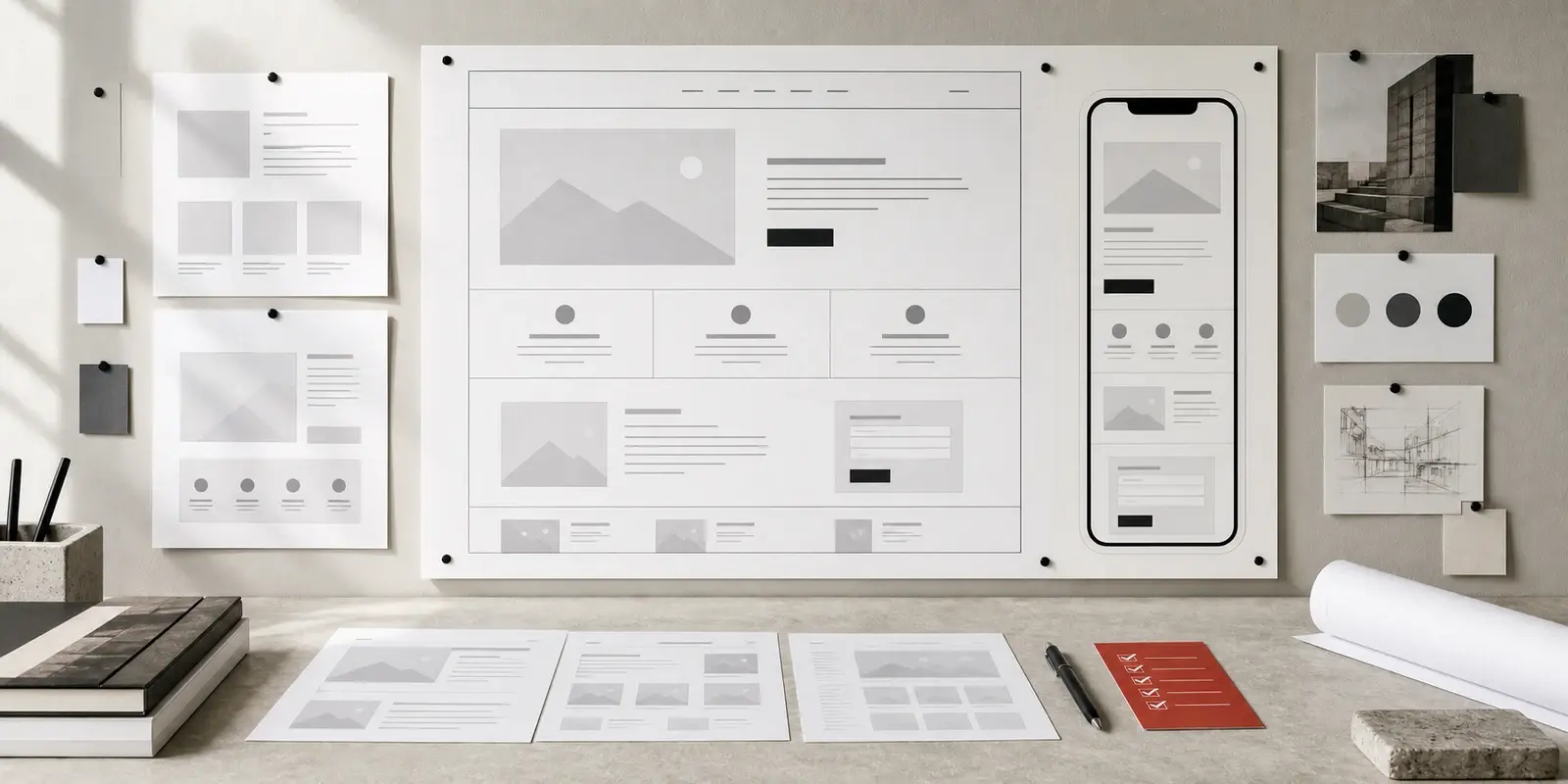
A 10-Minute Website UX Checklist For Marketing Heads
You do not need a full audit to know if your website is working. Run these five checks in ten minutes before commissioning a redesign.
7 min read
Digital
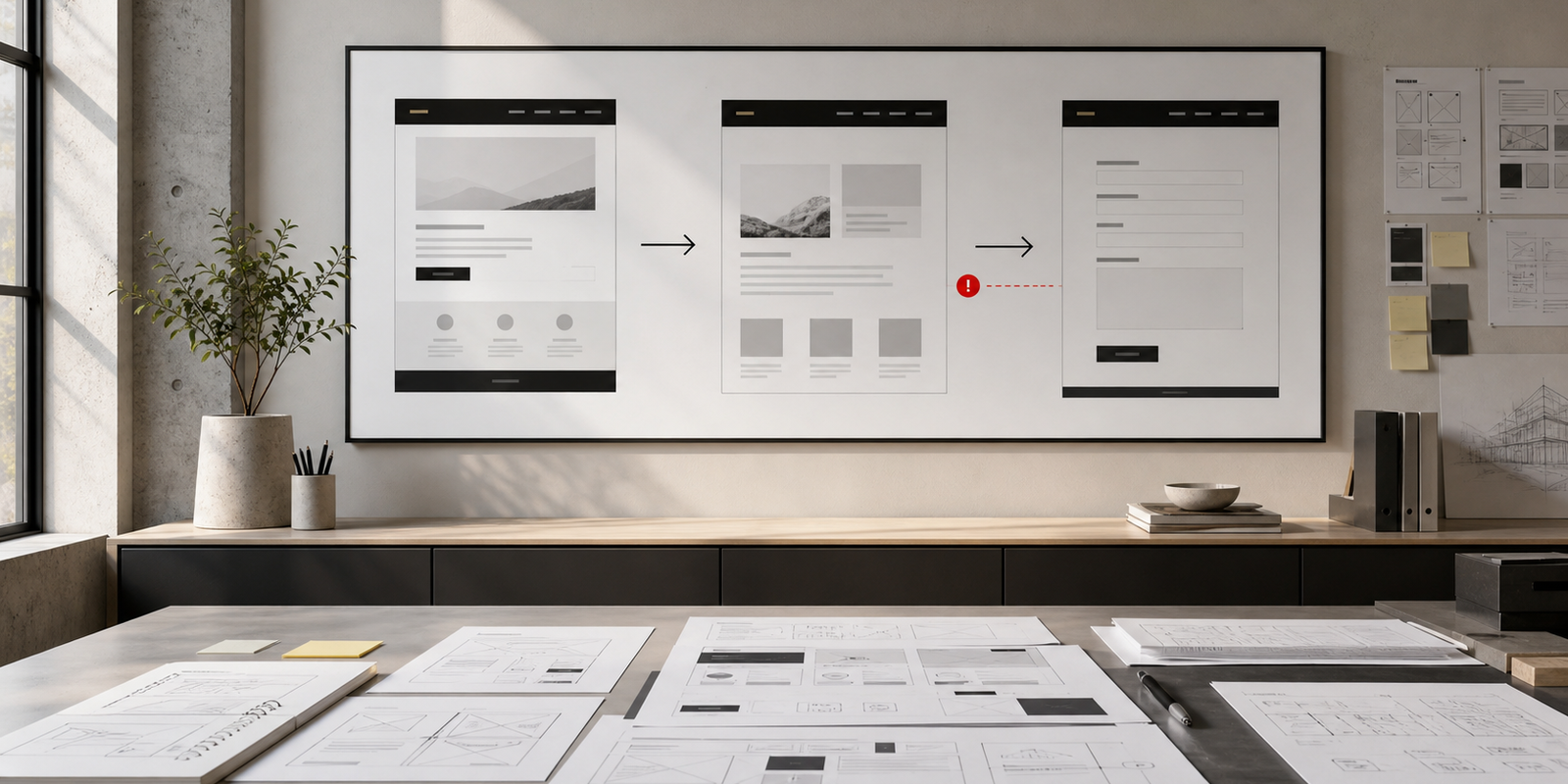
Before You Redesign, Check These 3 Lead-Generation Gaps
A redesign does not fix a weak enquiry path. Before changing the visual system, check whether your website is clear, trusted, and easy to act on.
6 min read